the perennial that keeps on giving.
A little history
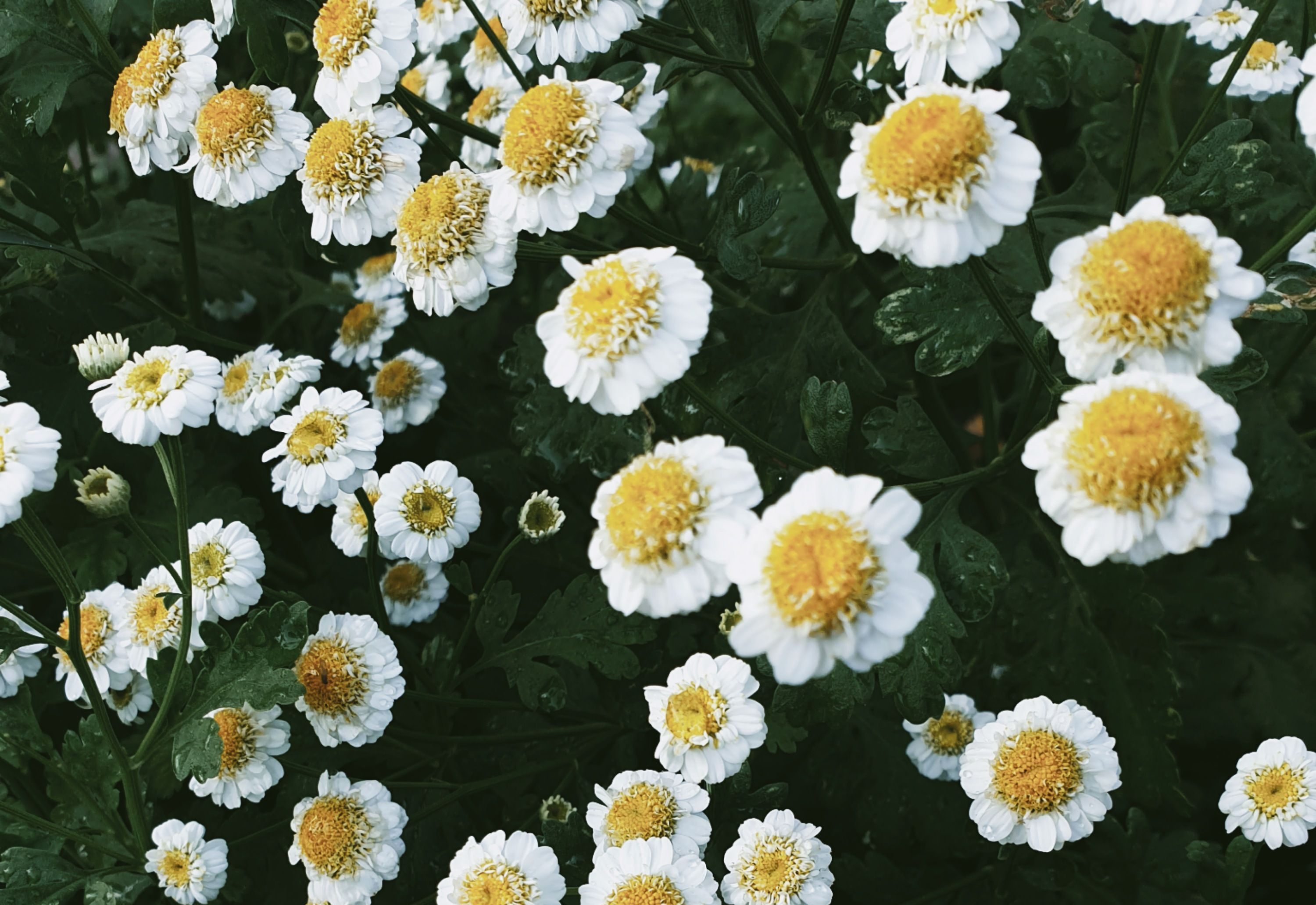
Did you know that feverfew was once called parthenium after it was used to save the life of a person who had fallen from the Parthenon? I didn’t either, but that gives the little flower quite the reputation to uphold! Related to dandelions and marigolds, this little flower packs a punch! The Greek physician Dioscorides used feverfew to treat an array of illnesses ranging from heaches, irregular periods, arthritis, and depression.
Feverfew comes from the Latin word Febris and fugure, meaning fever and to chase away, respectively. In fact, it was once believed that placing feverfew around or in the house kept away illness. In the twentieth century, feverfew became less used as modern medicine grew, that until the 1970s when a Welsh doctor’s wife began experimenting with new ways to treat her headaches. She found that eating feverfew significantly helped her migraines, which launched a renew interest in the plant’s capabilities.
Growing and Cultivating
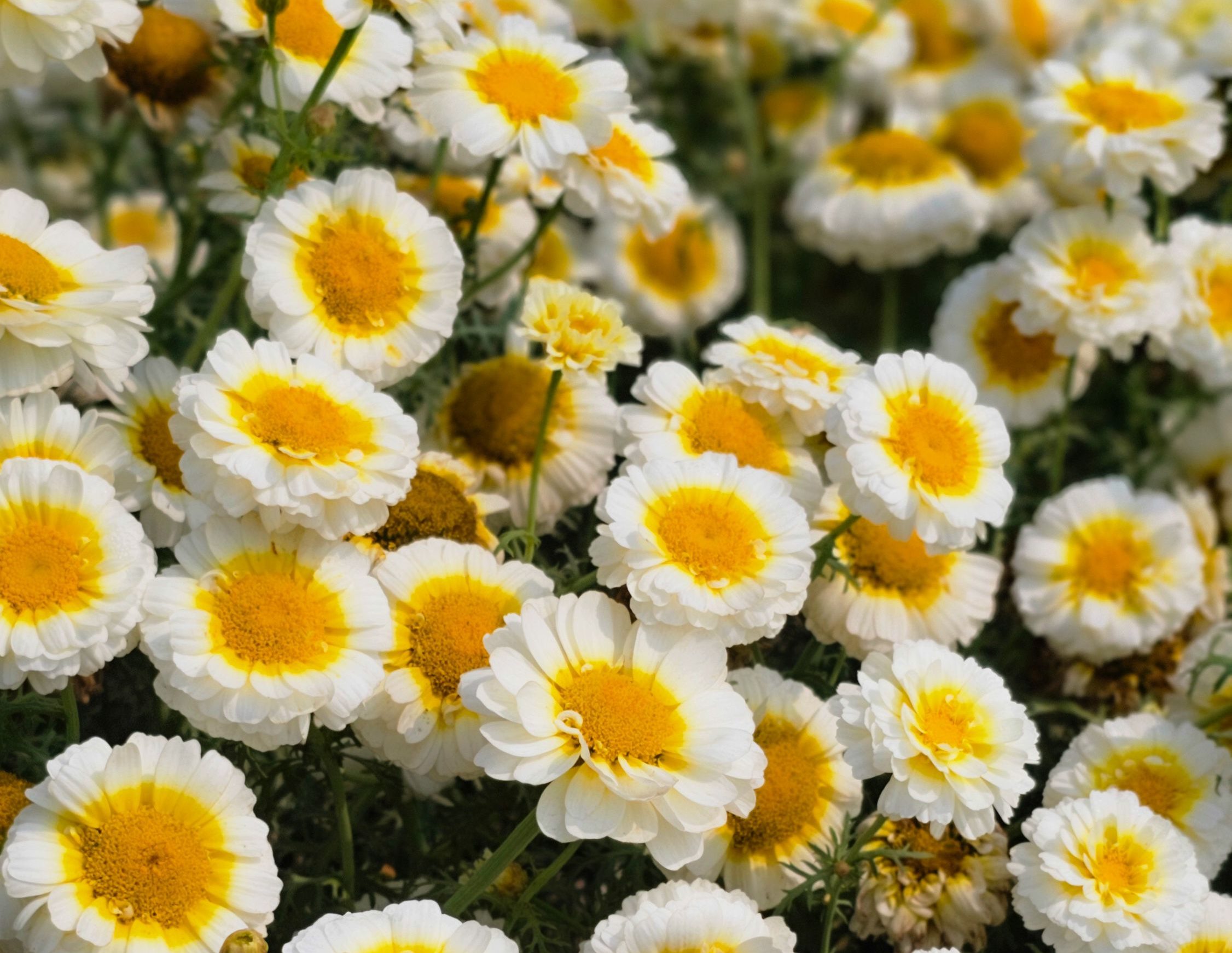
Originally, before being brought to Europe and then the Americas, Feverfew grew best in rocky soils of the Balkan Peninsula, though over the many many years of being introduced to new climates, it can been grown in garden throughout the states and Canada. Feverfew can be planted either by hand (in the spring or fall) or can be propagated, and while it can survive in light shade environments, it prefers full sun.
There is an interesting gardening practice where you do not thank someone for the start that they are giving you, that the plant will grow better if it believes that it has been stolen away. An interesting practice to be sure.
Uses
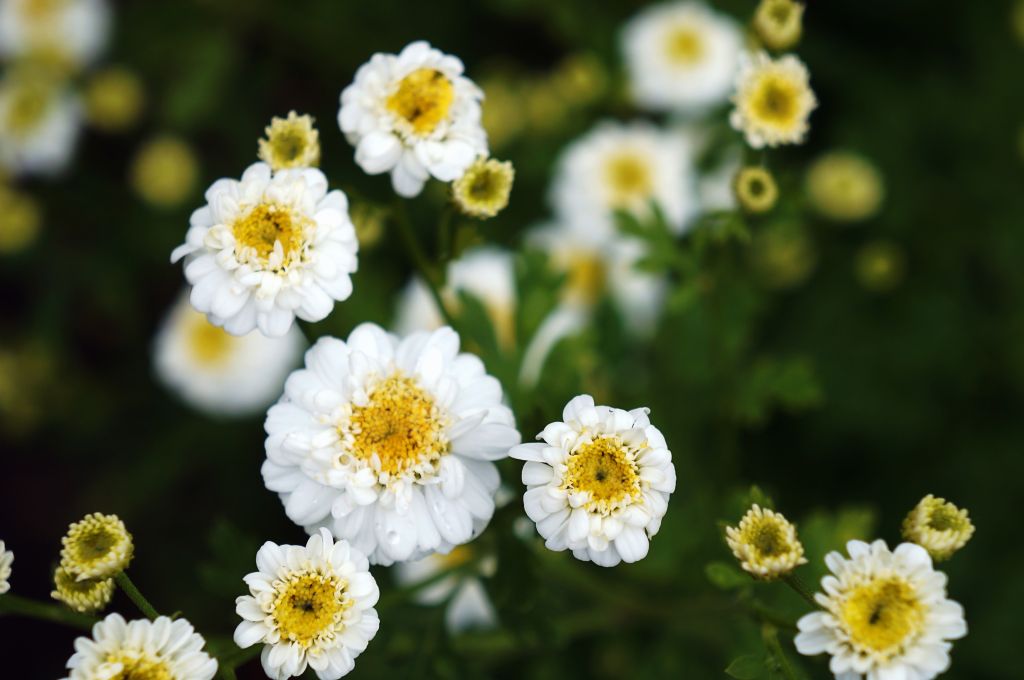
Modern medicine has shown evidence that the anti-inflammatory properties of Feverfew can reduce the frequency and pain of migraines, as well as relieving period pains, arthritis, and fevers (hence the name). Parthenolide, one of the main reasons why Feverfew works as well as it does, has been shown to reduce muscle spasms and the constriction of blood flow in the brain.
In the studies conducted and mentioned in The National Geographic’s Guide to Medicinal Herbs, chewing the leaves of the plant (not the flower) had the best results. However, since some people did experience mouth ulcers, there are other options available. It is important to note, please discuss any new treatments, yes even natural ones, with your primary care provider. That being said, there are capsules as well as tinctures that are available as well. Additionally, it is recommended that pregnant people do not use Feverfew.
Closing
So what do you think? A whole lot of information for such a little plant right? This upcoming spring I am hoping to start my herb garden (we’re having some work done on the house so any gardening I have wanted to do has been put on hold) and I am thinking about adding Feverfew to the mix! If you aren’t able to garden, or perhaps are still working on cultivating a green thumb, your local apothecary is sure to have Feverfew on their shelves!
Happy Crafting!


Leave a Reply